
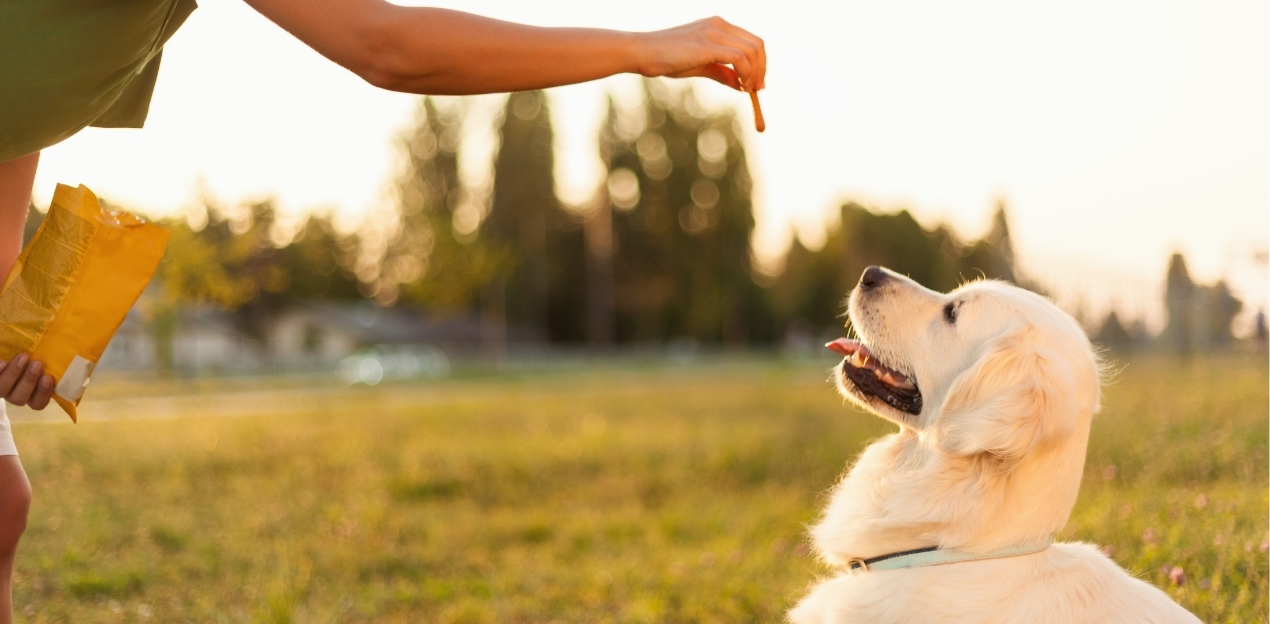
My dog failed puppy kindergarten. Not kidding. While other puppies sat politely for treats, mine was doing zoomies around the room like she'd just chugged an espresso shot. The instructor pulled me aside with that sympathetic head tilt and gently suggested we "practice at home a bit more." Translation: your dog is chaos incarnate.
That humbling moment taught me something crucial: training isn't about having a perfect dog. It's about understanding how dogs actually think and working with their nature, not against it.
Here's what trainers won't tell you upfront: you've got about three seconds to reward or correct a behavior. After that, your dog has moved on mentally and has no idea what you're praising or redirecting.
I used to call my dog over, wait for her to finish her very important sniffing investigation, and then treat her when she finally arrived. I was accidentally teaching her that dawdling gets rewarded. Dogs live entirely in the moment they connect rewards to whatever they're doing right that second, not what they did thirty seconds ago.
Fifteen minutes into our first training session, my dog's eyes glazed over. She yawned. Then she just laid down and gave me this look that said "I'm done with you."
Dog brains aren't built for marathon study sessions. Five to ten minutes max, twice a day if you're ambitious. Think kindergarten attention span, not college lecture. Short sessions keep everyone engaged and actually enjoying the process.
Yelling "NO!" tells your dog you're upset, but gives them zero information about what they should do instead. It's like someone screaming at you in a language you don't understand- you know they're mad, but you're still clueless about the actual problem.
Redirect instead of reject. Chewing shoes? Trade for a toy and celebrate when they take it. Understanding why pets do what they do helps you train smarter by working with their instincts.
My household had three different commands for "get off the couch." My partner said "OFF," I said "DOWN," my kid yelled "GET DOWN." Our dog just sat there like "which password works today?"
Pick one word per command. Everyone uses it. Same tone, same hand signal, every single time. Otherwise, you're teaching confusion, not commands.
Ever tried teaching a hyper kid who hasn't had recess? That's your dog before exercise. A solid twenty-minute walk or fetch session before training makes an enormous difference.
Physical tired and mental tired are different. Burn off that bouncy energy first, and suddenly you have a dog who can focus. Simple, but game-changing.
My friend kept her puppy home for months to "keep him safe." Now he's terrified of bicycles, strollers, people in hats, and pretty much everything. Good intentions, but her dog missed the critical socialization window.
Expose puppies to different sounds, places, people, and animals early. Even older dogs benefit from new positive experiences. Regular wellness care visits help too- the more your dog sees the world as safe, the better adjusted they'll be.
End every session with a win. Even if it's a command your dog learned months ago. Training's going badly? Ask for an easy "sit," reward it, call it a day.
You want your dog associating training with success and fun, not frustration and failure. This keeps them eager to work with you.
Dogs are emotional sponges. When I'm stressed, my dog immediately picks up on it. Training becomes tense and unproductive.
Not in the right headspace? Skip it. Wait until you're calm and patient. Your energy matters more than you think.
"Sit. Sit. Sit. SIT. SIIIIT!"
Congratulations, you just taught your dog that commands don't count until you've said them five times. They learn to ignore you the first four.
Say it once. Wait. If nothing happens, gently guide them into position, then reward. They'll quickly learn the first time is the time and that they only get rewarded when they actually follow through.
Living room training is easy. The real test? Can they hold a stay when a squirrel runs by? Come when called with other dogs around?
Practice everywhere: pet stores, parks, walks, your yard. Real-world distractions are where training actually counts.
Tip: Home improvement stores make a nice practice trip for the New England winter months!
Some behaviors need expert guidance. If you're hitting walls with training or seeing concerning behaviors, don't struggle alone.
If you're in Somerville, Medford, Cambridge or anywhere across Greater Boston and need support, our Tandem veterinary clinic can assess whether any health issues are affecting your pet’s behavior and connect you with great local trainers. Sometimes what looks like stubbornness is actually pain or anxiety.
Training is part science, part patience, part comedy. Even dogs who fail puppy kindergarten can become wonderful companions, I've got living proof sleeping at my feet.
Join the movement to reimagine vet care— Transparent, convenient, and hassle-free.
Book now.avif)