
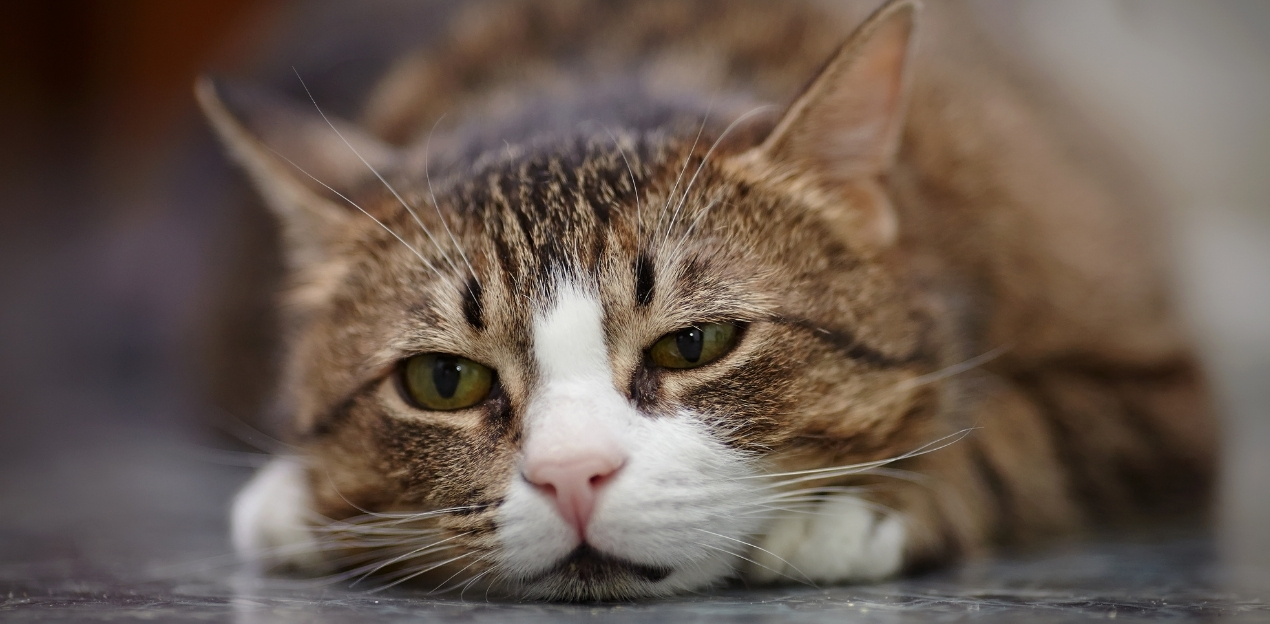
Cats have strong opinions about food. But there's a real difference between a picky cat and one that genuinely won't eat. When a cat stops eating, the body is sending a signal worth taking seriously.
Unlike dogs, cats can't skip meals for long. Cats that go without eating for more than 24 to 48 hours begin to mobilize fat reserves, and by the 3 to 4 day mark, the risk of fatty liver disease rises significantly - a condition that can become life-threatening fast. Overweight cats are especially at high risk because their bodies mobilize fat more aggressively when they stop eating. Calling your vet within that first 24 hours is still the safest move, not to treat fatty liver, but to prevent it from developing at all.
Loss of appetite is one of the earliest signs something is medically wrong. Kidney disease and digestive conditions are common culprits. Worms in cats more often cause unexplained weight loss or a bloated belly rather than appetite loss directly, though a heavy parasite burden can suppress eating too. Hyperthyroidism usually increases appetite, but in advanced or atypical cases, it can go the other way.
Heart disease is another often-missed cause. Cats with cardiac conditions frequently feel too fatigued and nauseous to eat, which is why cardiac screening can be a valuable step when no obvious cause turns up. If your cat hasn't eaten in 24 hours and seems lethargic or unwell, call your vet rather than waiting to see.
Cats are creatures of habit. A new pet, a house move, a change in your schedule, even a different food bowl can throw them off completely. When a cat feels unsettled, eating is one of the first things to go.
Think about what changed right before your cat stopped eating. Try to restore their routine as much as possible, keep their feeding spot quiet and consistent, and make sure other pets aren't causing mealtime anxiety.
A sore tooth or infected gum can make eating genuinely painful, especially with dry kibble. The problem is, cats are wired to hide pain, so you may not notice anything is wrong until they stop eating entirely.
Watch for pawing at the mouth, drooling, dropping food while chewing, or unusually bad breath. If any of these show up alongside appetite loss, a dental exam is the right next step. Most cats eat normally again once the source of pain is treated.
Cats can develop a negative association with food, especially if they felt sick shortly after eating it. Even if the food wasn't the cause, the brain makes the connection, and that flavor becomes something they want nothing to do with.
Pet food brands also quietly update their formulas, and cats notice immediately. For older cats, a declining sense of smell makes food less appealing overall.
Try warming wet food slightly to bring out more aroma. For dry food, a splash of low-sodium, onion-free broth can make a big difference. Any food switch should happen gradually over 7 to 10 days.
Mild appetite loss after a vaccine or new medication is common and usually short-lived. Most cats bounce back within 24 to 48 hours.
If your cat still isn't eating after two days, or seems unwell beyond just skipping meals, check in with your vet. An appetite stimulant or anti-nausea medication can help while their body adjusts.
If your cat hasn't eaten in more than 24 hours, call your vet. For kittens and senior cats, that window is even shorter. Reduced appetite often goes hand in hand with less drinking, and the combination can lead to dehydration quickly, making cats feel even worse. Repeated vomiting, weakness, or yellow-tinged gums or eyes alongside appetite loss means urgent care, not a scheduled appointment.
A cat that won't eat is always trying to tell you something. The sooner you find out what, the better.
If your pet needs an experienced veterinarian in the Somerville and Greater Boston area, Tandem Vet is always here to help.
Join the movement to reimagine vet care— Transparent, convenient, and hassle-free.
Book now.avif)