
Disclaimer: This article is for general information only and isn't a substitute for professional veterinary care. Always consult your veterinarian for proper diagnosis and treatment.
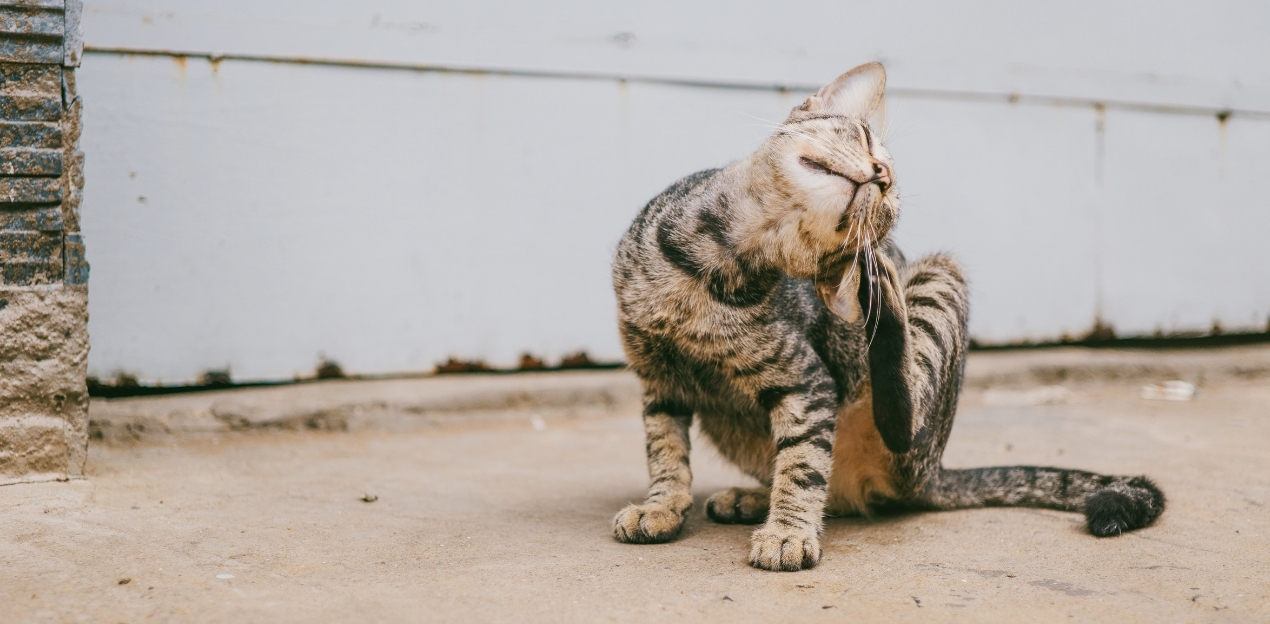
If your cat's been scratching their ears like crazy lately, ear mites might be the culprit. These tiny parasites are one of the most common ear problems in cats, and trust me, they're as annoying as they sound.
Ear mites are microscopic parasites that live in your cat's ear canal, feeding on wax and oils. Think of them as unwanted houseguests that make your cat absolutely miserable. They're highly contagious between pets, so if you've got multiple cats, they can spread like wildfire.
The scientific name is Otodectes cynotis, but all you need to know is they're tiny, white, and barely visible to the naked eye. Proper diagnostic services from your vet can confirm their presence, since other ear problems can look similar.
Here's what to watch for:
I've seen cats scratch so hard they create wounds around their ears. It's heartbreaking to watch.
While ear mites themselves aren't life-threatening, they can lead to bigger problems if ignored. Constant scratching can cause infections, burst blood vessels (leading to a swollen ear flap), or even hearing damage.
Plus, your cat is miserable. Imagine having an itch deep in your ear that you can never quite reach. That's their reality with ear mites.
First things first: Don't try to treat this with home remedies. Those online solutions about olive oil or essential oils? They won't kill the mites and might make things worse.
Your vet will:
Modern treatments are much easier than they used to be. Some are single-dose applications that work for a month. No more wrestling your cat twice daily for ear drops! Many clinics now offer virtual care follow-ups to check on your cat's progress without the stress of another car ride.
Don't wait weeks hoping it'll get better. If you notice any signs of ear mites, schedule a vet visit. The longer you wait, the more uncomfortable your cat becomes and the higher the risk of secondary infections.
If your pet ever needs an experienced animal doctor in Somerville, Tandem Vet is always here to help.
Join the movement to reimagine vet care— Transparent, convenient, and hassle-free.
Book now.avif)