
Disclaimer: This article is for general information only and isn't a substitute for professional veterinary care. Always consult your veterinarian for proper diagnosis and treatment.
When I brought home my first puppy, I had no idea how many vaccines she'd need. The schedule seemed overwhelming at first, but understanding which shots protect our dogs and when they need them made everything clearer.
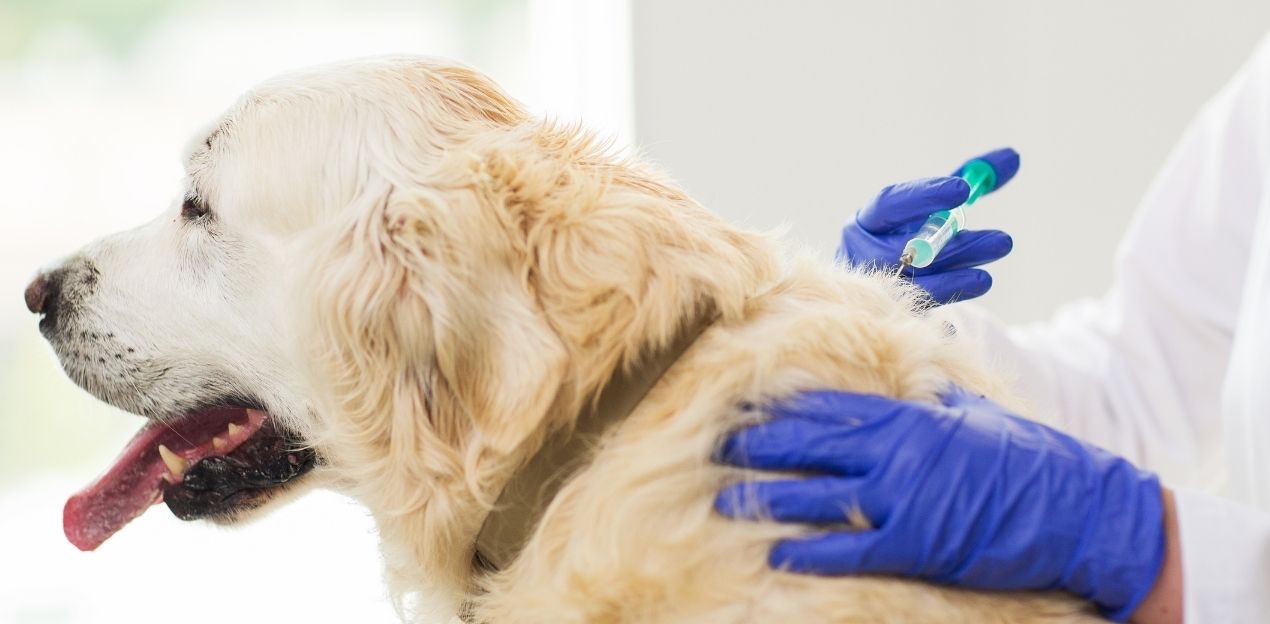
Vaccines are one of the most important ways we keep our dogs healthy. They protect against serious, sometimes deadly diseases that can spread easily between animals.
Core vaccines are essential for all dogs, regardless of lifestyle or location. These protect against the most dangerous and widespread diseases:
Rabies: It protects against a fatal virus that affects the nervous system and can spread to humans.
DHPP (Distemper, Hepatitis, Parvovirus, Parainfluenza): A combination vaccine that guards against four serious diseases. Parvovirus is especially dangerous for puppies.
Leptospirosis: Protects against a bacterial disease that can cause kidney and liver failure. Can spread to humans and is increasingly common in urban and suburban areas.
Bordetella (Kennel Cough): Prevents a highly contagious respiratory infection that spreads easily wherever dogs gather.
These vaccines form the foundation of your dog's wellness care routine and disease prevention plan.
Your vet may recommend additional vaccines depending on your dog's activities and environment:
Puppies need a series of shots to build immunity as the antibodies from their mother wear off.
Starting at 6-8 weeks, puppies receive their first DHPP dose. The second DHPP comes at 10-12 weeks. During this visit, your vet may also start Leptospirosis and Lyme vaccines if recommended based on your puppy's lifestyle both require an initial two-dose series given 2-4 weeks apart. Bordetella can be given at this time if needed.
By 14-16 weeks, puppies get their third and final DHPP dose, their first Rabies vaccine, and the second doses of Leptospirosis and Lyme if they were started earlier.
Your puppy isn't fully protected until about two weeks after their final round of shots, usually around 18 weeks old.
After the puppy series, dogs need regular boosters to maintain immunity:
Your vet will create a personalized schedule based on your dog's health, age, and risk factors.
Staying on schedule with vaccines gives your dog the best protection against preventable diseases. Every dog is different, and figuring out the right vaccine plan can feel confusing, especially with a new puppy. If you're in the Somerville area and want help creating a personalized vaccination schedule for your pup, our caring team Somerville Veterinary Clinic is here to guide you every step of the way.
Join the movement to reimagine vet care— Transparent, convenient, and hassle-free.
Book now.avif)